
Private Urticaria (Hives) Treatment at the Thomas Clinic
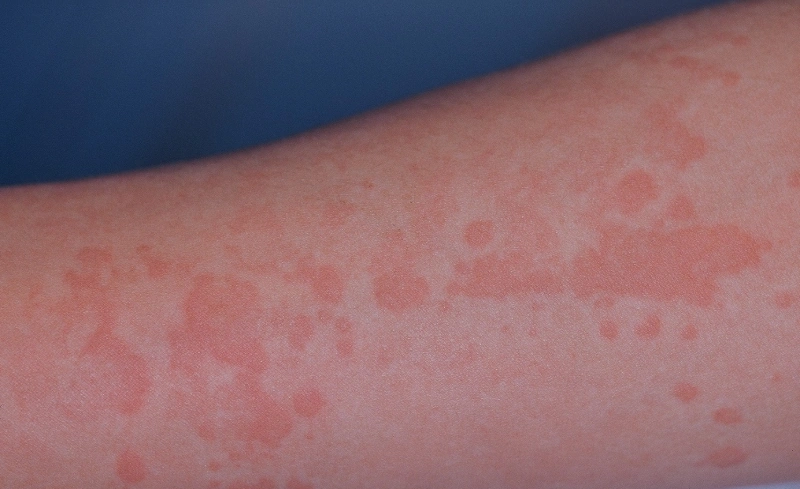
At the Thomas Clinic on Harley Street, we provide discreet, consultant-led care for urticaria (hives) — a condition that is common, treatable, and highly manageable with the right specialist support.
While not dangerous, sudden, visible flare-ups can be distressing, undermining confidence at work, socially, and in relationships. Our goal is not just to ease symptoms temporarily but to achieve complete control — leaving patients hive-free and itch-free so they can live without disruption.
Private care at the Thomas Clinic offers rapid treatments, including biologic therapies such as omalizumab (Xolair®) for chronic or resistant cases. Each patient receives a thorough evaluation and a personalised plan to uncover triggers, calm inflammation, and restore quality of life. Of note, he does not offer the biologic therapy omalizumab (Xolair®).
We also recognise the emotional toll urticaria can take: consultations are unhurried, supportive, and confidential, with space to address both visible symptoms and their psychological impact.Choosing specialist care on Harley Street means choosing speed, discretion, and expertise.
With tailored treatment and ongoing follow-up, our aim is simple: to help you regain comfort, confidence, and peace of mind.
Discuss Urticaria Treatment With Our Skin Experts
Our team will answer your questions, arrange appointments quickly, and guide you through your next steps. Reach out today to begin your treatment journey with confidence.
What Is Urticaria (Hives)?
Urticaria, also known as hives, weals, or nettle rash, is a skin condition marked by the sudden appearance of raised, intensely itchy patches called wheals. These can range from small dots to large, map-like areas and often merge into bigger patches. A hallmark feature is their fleeting nature: an individual wheal usually fades within 24 hours without leaving a trace, only for new ones to appear elsewhere. Patients often describe the rash as “here today, gone tomorrow.”
Sometimes hives are accompanied by angioedema — a deeper swelling that commonly affects the eyelids, lips, tongue, or hands. Unlike surface hives, angioedema tends to cause pain, burning, or tightness rather than itch, and can last several days.
The two main forms of Urticaria
Doctors distinguish between two main forms of urticaria. Acute urticaria is short-lived, often triggered by infections, allergies, or medications, and by definition resolves within six weeks. Chronic urticaria, by contrast, persists beyond six weeks and may last months or years. In many cases, no clear internal or external cause is found. Chronic spontaneous urticaria is now recognised as autoimmune in many patients, while chronic inducible urticaria is triggered by physical factors such as pressure, heat, or sunlight.
Although urticaria is rarely dangerous, its impact on daily life can be profound. Persistent itching can disturb sleep, leaving patients exhausted and unable to focus. Visible flare-ups on the face, neck, or hands may cause embarrassment, cancelled plans, or anxiety in professional and social situations. For some, the unpredictability of symptoms feels overwhelming — especially when it affects intimacy or relationships.
When to seek emergency care
Reassuringly, most cases are harmless and self-limiting. With specialist care, hives can be brought fully under control — and often the itch can be managed even before the rash settles.
Rarely, hives and angioedema occur as part of a severe allergic reaction, known as anaphylaxis, which may involve swelling of the tongue or throat, difficulty breathing, dizziness, or collapse. This is a medical emergency requiring immediate 999 care.
Outside of this rare scenario, urticaria is best understood as a quality-of-life condition: disruptive, but manageable, and in most cases, it eventually resolves.
Causes of Urticaria
The triggers for urticaria (hives) vary depending on whether the condition is acute or chronic.
Acute Urticaria Causes
Acute urticaria (lasting less than six weeks) is usually a reaction to something external. Viral infections are the most common cause, especially in children, while bacterial infections such as strep throat, urinary tract infections, or dental abscesses can also provoke flare-ups. Allergic reactions are another frequent trigger: hives may appear within minutes or hours of exposure to foods such as nuts, shellfish, or eggs, medications like antibiotics or aspirin, or insect stings. Direct contact with latex or stinging nettles can also spark an episode.
Certain medications are known to trigger or worsen hives in both acute and chronic forms, particularly non-steroidal anti-inflammatory drugs (NSAIDs) such as ibuprofen, aspirin, or naproxen. Opiates and ACE inhibitors can also aggravate symptoms, with ACE inhibitors being a recognised cause of recurrent angioedema.
Chronic Urticaria Causes
Chronic urticaria (lasting more than six weeks) is less about external allergens and more about internal immune activity. Often, no clear cause can be found, and the condition is termed chronic spontaneous urticaria. Up to half of these cases are autoimmune in nature, where the immune system mistakenly activates mast cells in the skin to release histamine and histamine-like substances. In chronic inducible urticaria, symptoms are consistently triggered by physical factors such as pressure, temperature changes, sunlight, vibration, water, or exercise.
Stress is not a direct cause, but it is a powerful amplifier. Many patients notice flare-ups worsen during periods of anxiety, fatigue, or emotional strain, creating a cycle where hives increase stress and stress makes hives harder to control.
In rare instances, persistent or unusual symptoms may point to another underlying condition. Hives lasting more than 48 hours in one spot, leaving bruises, or accompanied by fever or joint pain may suggest urticarial vasculitis, where inflammation damages small blood vessels. Recurrent angioedema without hives can indicate hereditary angioedema or medication-related swelling. These situations require prompt specialist assessment.
In summary: acute hives usually arise from short-term triggers such as infection or allergy, while chronic hives often reflect immune system overactivity, sometimes linked to thyroid or other autoimmune conditions. Stress and certain medications can aggravate either form. In many cases, no cause is ever identified and tests do not provide helpful answers — which is why specialist care is so important to clarify the diagnosis and guide effective treatment.
Symptoms and When to Seek Treatment for Urticaria
Urticaria (hives) is recognised by the sudden appearance of raised, itchy patches on the skin. These welts may be small and ring-shaped or spread into larger areas, often shifting around the body during the day. On lighter skin tones, they typically appear red with a pale centre; on darker skin, the redness may be subtle, with patches that look lighter or darker than the surrounding skin.
Key features include:
- Itchy wheals (hives): Raised, swollen areas that fade within 24 hours, often described as “moving around.”
- Severe itch (pruritus): Intense itching, often worse at night, disturbing sleep.
- Angioedema (deep swelling): Puffiness of the lips, eyelids, tongue, or hands. Unlike hives, this swelling feels painful, burning, or tight and lasts longer.
Most cases are harmless and self-limiting, but you should seek specialist care if:
- Hives last longer than six weeks or recur frequently.
- Symptoms disrupt sleep, work, or daily life.
- Swelling involves the lips, tongue, or eyelids.
- The rash is unusual — lasting more than 48 hours in one spot, painful, leaving bruises, or accompanied by fever or joint pain.
- Over-the-counter antihistamines fail to control symptoms.
It is also important to recognise the rare emergency of anaphylaxis. While chronic urticaria does not progress to anaphylactic shock, hives may appear as part of a severe allergic reaction. Red-flag signs include difficulty breathing, throat tightness, dizziness, or collapse. These require immediate emergency attention (dial 999 in the UK).
Private care at the Thomas Clinic offers key advantages for patients worried about persistent or disruptive hives. Appointments are available quickly, consultations are discreet and unhurried, and advanced therapies are accessible when needed. Our dermatologists aim not just to control flare-ups but to restore comfort, confidence, and quality of life.
Book a Private Urticaria Consultation in London
At the Thomas Clinic on Harley Street, we provide discreet, consultant-led care for urticaria (hives), a condition that is common, treatable, and highly manageable with the right specialist support. While not dangerous, sudden, visible flare-ups can be distressing, undermining confidence at work, socially, and in relationships. Our goal is not just to ease symptoms temporarily but to achieve complete control, leaving patients hive-free and itch-free so they can live without disruption.
Your consultation is thorough and supportive. We take time to understand your history, explore possible triggers, and discuss how hives affect your daily life — from disrupted sleep to confidence at work or socially. This assessment allows us to create a personalised treatment plan tailored to your skin, lifestyle, and goals.
Discretion and professionalism are central to our service. Consultations are unhurried and confidential, with space to ask questions and feel reassured. With expert guidance, personalised support, and access to advanced therapies, our aim is to achieve complete symptom control and lasting peace of mind.
Our Urticaria Treatment Options
At the Thomas Clinic on Harley Street, our aim is twofold: to identify and address possible causes of urticaria, and to help every patient achieve complete symptom control — living hive-free, itch-free, and confident in daily life. Treatment follows a structured, stepwise approach, always tailored to each patient’s history, triggers, and lifestyle.
First-line: Antihistamines
Modern, non-sedating antihistamines such as cetirizine, loratadine, or fexofenadine are the cornerstone of care. They block histamine — the chemical behind itch and swelling — and are safe for long-term daily use. If standard doses are insufficient, specialists may increase the dose up to four times higher under supervision, a guideline-endorsed and highly effective strategy. For chronic urticaria, antihistamines should be taken regularly, not just during flare-ups, to prevent symptoms.
Corticosteroids for severe flares
In rare cases of sudden, severe flare-ups, a short course of oral corticosteroids such as prednisolone may be prescribed to quickly calm inflammation. These medicines are effective in the short term but unsuitable for long-term use, and are reserved as occasional “rescue” therapy.
Advanced therapies for resistant cases
When high-dose antihistamines are not enough, private care provides access to advanced options:
- Omalizumab (Xolair®): A monthly biologic injection that targets IgE, reducing mast cell activation. Omalizumab has transformed outcomes for patients with chronic spontaneous urticaria, often clearing symptoms within weeks. It is NICE-approved in the UK for severe, treatment-resistant cases.
- Ciclosporin: An oral immunosuppressant used in carefully selected cases, particularly with autoimmune involvement. It can be highly effective but requires close monitoring for effects on blood pressure and kidney function.
Lifestyle & supportive care
Medication alone is rarely the full answer. We also focus on measures that complement treatment, such as:
- Identifying and avoiding triggers like NSAIDs, certain foods, or physical stimuli (pressure, heat, cold).
- Stress management techniques — relaxation, mindfulness, or improving sleep.
- Gentle skincare, cool compresses, and loose, breathable clothing.
Tailored plans and ongoing support
Every patient’s urticaria journey is unique. Consultations explore timing, triggers, medications, and the impact on work, sleep, and relationships. From there, we create a personalised plan that escalates only as needed, while keeping advanced options available if required.
Follow-up and continuity of care are central to our approach. We monitor progress, adjust treatment as symptoms change, and support patients through both physical and emotional challenges. This ensures not only relief from hives, but also the reassurance of a clear plan and ongoing expert support.
Dr. Bjorn Thomas – Specialist in Urticaria Treatment
Dr Bjorn Thomas (MBBS, PhD, MRCP) is a consultant dermatologist and recognised urticaria specialist at his Harley Street clinic. With extensive experience managing complex skin conditions such as persistent hives and angioedema, he is known for his precise, evidence-based care delivered with compassion and support.
Alongside his private practice at the Thomas Clinic on Harley Street, Dr. Thomas previously held a senior clinical role at Guy’s Hospital, one of London’s leading dermatology centres.
Patients value his approachable consultation style, the clarity of his explanations, and the reassurance of treatment plans that are both thorough and realistic. His combination of specialist knowledge, calm professionalism, and Harley Street reputation offers patients complete confidence in their care.
Why Choose the Thomas Clinic for Urticaria Treatment?
At the Thomas Clinic on Harley Street, care is both specialist and personal. We understand that urticaria is more than a skin condition — its unpredictability can unsettle confidence, disturb sleep, and complicate daily life. Our focus is on discreet, consultant-led treatment that restores comfort and control.
Every plan is tailored. From modern antihistamines to advanced biologic therapies such as omalizumab, we aim for complete symptom control rather than temporary relief. Consultations are unhurried and attentive, with time to explore triggers, discuss the wider impact of hives, and shape a strategy that feels realistic and sustainable.
Patients often describe the experience as transformative: the relief of being heard, the clarity of expert guidance, and the confidence that comes from a structured plan. What once felt like an overwhelming burden becomes a condition they can live free from again.In a setting that combines professionalism with discretion, the Thomas Clinic offers trusted expertise and compassionate support — helping patients move past the disruption of urticaria and regain ease in everyday life.
What to Expect During Your Urticaria Consultation
At the Thomas Clinic on Harley Street, every consultation is designed to be thorough, discreet, and supportive. We understand that hives are more than a rash — they affect sleep, confidence, and daily life. That’s why we explain each step clearly, ensuring you feel comfortable and reassured throughout.
A typical consultation includes:
- History and symptoms: When your hives began, how long they last, possible triggers, current medications, and how symptoms affect your daily life. Details such as angioedema, fever, or joint pain are carefully reviewed to rule out other conditions.
- Examination: If hives are active, your dermatologist will examine the skin and may carry out simple in-clinic tests to check if physical factors like cold, pressure, or heat are triggers.
- Targeted investigations: Extensive allergy testing is rarely needed in chronic urticaria. Instead, tailored investigations — such as thyroid function tests, inflammatory markers, or selected allergy tests — are arranged if history suggests a link.
- Lifestyle and triggers: We explore whether stress, medications, or activities contribute to flares and provide practical advice on reducing them.
- Clear treatment plan: Your dermatologist will explain the stepwise pathway — from modern antihistamines to advanced biologics such as omalizumab if required. Rescue therapies for severe flares and supportive measures like stress management and skincare are also discussed.
Every step is explained openly so you know what to expect and why each measure is recommended. Consultations are unhurried, confidential, and compassionate, with space to raise concerns about both physical and emotional impacts. Patients often find the process itself reassuring — moving from uncertainty to a clear, structured plan for relief.
With consultant-led expertise, a discreet setting, and ongoing follow-up, the Thomas Clinic provides trusted care where urticaria can be properly understood, controlled, and managed with confidence.
Frequently Asked Questions About Urticaria (Hives)
What causes skin urticaria?
Hives, or urticaria, occur when mast cells in the skin release histamine and other chemicals, causing blood vessels to leak and form raised, itchy welts known as wheals. Sometimes deeper tissues swell too, leading to angioedema.
The causes differ between acute (short-lived) and chronic (lasting more than six weeks) urticaria:
- Acute urticaria is usually triggered by something external:
- Infections — the most common cause, especially in children, with viruses such as colds, flu, or COVID-19 often involved.
- Allergies — foods (nuts, shellfish, eggs, milk), insect stings, or medications such as antibiotics.
- Medications — drugs like aspirin, ibuprofen, and some opioids can provoke or worsen hives.
- Contact triggers — latex or stinging nettles can cause localised reactions.
- Chronic urticaria is different. It persists for weeks or months and is rarely driven by a single allergen:
- Chronic spontaneous urticaria (CSU): often autoimmune, where the immune system mistakenly activates mast cells. It is sometimes linked to thyroid disease or other autoimmune conditions.
- Chronic inducible urticaria (CIndU): consistently triggered by physical factors such as pressure, cold, heat, sunlight, vibration, exercise, or, rarely, water.
- Stress is not usually the root cause but can significantly worsen flare-ups, creating a cycle where hives increase stress and stress aggravates hives.
In summary: acute hives are typically short-term reactions to infections, allergens, or medications, while chronic hives reflect immune system overactivity or heightened skin sensitivity. Both are manageable, and in most cases the condition eventually settles — but specialist care ensures symptoms are properly controlled along the way.
Is there a permanent cure for hives?
There is no instant “cure” for urticaria, but the outlook is highly reassuring. Most cases resolve on their own, and in the meantime there are excellent treatments that can keep symptoms completely under control.
Acute urticaria (lasting less than six weeks) almost always settles quickly. Once an infection clears or a trigger such as a food, medication, or insect sting is removed, the hives usually disappear within days.
Chronic urticaria (lasting more than six weeks) is less predictable, but typically self-limiting:
- Around 50% of patients see remission within 6–12 months.
- Up to 90% improve within five years.
- Only a small minority continue to experience symptoms long-term.
Although chronic hives can feel relentless, they do not damage organs or progress into serious disease. The main challenge is quality of life — disrupted sleep, constant itch, and anxiety about flare-ups. Treatment focuses on full symptom control until natural remission occurs.
Stepwise treatment for long-term relief includes:
- Non-sedating antihistamines (cetirizine, loratadine, fexofenadine) — the cornerstone of therapy, safe for daily use, with doses increased under supervision if needed.
- Add-on therapies such as montelukast when antihistamines alone are insufficient.
- Advanced treatments for resistant cases, including omalizumab (Xolair®), a monthly biologic injection often clearing hives within weeks, or ciclosporin in severe cases under close monitoring.
- Short courses of oral steroids may be used as a temporary rescue during severe flares, but not long-term.
In essence, urticaria is almost always temporary. Until remission occurs, effective treatments are available to keep patients essentially hive-free and itch-free, allowing life to continue without disruption.
How long does urticaria last?
The duration of hives depends on whether the condition is acute or chronic.
Acute urticaria lasts less than six weeks and, in most people, much less. It typically resolves within days to a few weeks once the trigger — such as a viral infection, food, medication, or insect sting — is removed. For example, a drug allergy may settle within a day or two after stopping the medication, while hives linked to a viral illness often fade as the infection clears. For most patients, acute urticaria is a one-off or occasional problem that goes away fully.
Chronic urticaria is diagnosed when hives persist or recur for more than six weeks. Its course can feel unpredictable, but it is rarely lifelong. Most cases are self-limiting, meaning they eventually improve or “burn out” on their own:
- Around 50% improve significantly within 6–12 months.
- About 70% see remission within three years.
- Up to 90% are clear by five years.
- A minority (10–20%) may have symptoms for longer, and rarely, the condition can persist for a decade or more.
Even after remission, around 1 in 6 patients may experience recurrence months or years later.
Unlike the acute form, chronic urticaria is seldom due to a persistent allergy or infection. In many cases, it reflects an internal immune imbalance. Up to half of patients with chronic spontaneous urticaria have an autoimmune basis, while others experience inducible urticaria triggered by physical factors such as pressure, heat, or cold. Many cases remain idiopathic, with no clear external cause.
Importantly, chronic urticaria is not dangerous and does not damage organs. Its burden is primarily on quality of life — persistent itch, sleep disruption, and anxiety about flare-ups. The role of treatment is to keep symptoms fully controlled until natural remission occurs.
Can stress cause urticaria flare-ups?
Stress is not usually the direct cause of hives, but it is a powerful aggravating factor. Many patients find their urticaria worsens during periods of high stress, fatigue, or anxiety — and often improves when they are relaxed or on holiday. This creates a cycle where the condition causes distress, and distress in turn makes flare-ups more likely.
The link between stress and hives comes from the way the nervous, immune, and hormonal systems interact. Stress hormones and neuropeptides can activate mast cells in the skin, lowering the threshold for a reaction and making flare-ups more intense. In some forms of inducible urticaria, such as cholinergic urticaria, stress-related sweating can directly trigger small, itchy wheals. Rare types, such as adrenergic urticaria, are provoked by the body’s own stress chemicals like adrenaline.
Dermatologists emphasise that while stress reduction will not cure chronic urticaria, it can reduce flare frequency and improve quality of life. Helpful strategies include:
- Mindfulness, meditation, or breathing exercises
- Yoga or gentle physical activity
- Prioritising adequate, restorative sleep
- Cognitive-behavioural therapy or counselling if anxiety or depression has developed
At the Thomas Clinic on Harley Street, we take a holistic approach to urticaria care. Consultations provide space to discuss not only physical symptoms but also the emotional impact of the condition. By addressing both, we aim to break the “itch–stress” cycle — helping patients regain comfort, confidence, and control.
What is the best treatment for hives?
The best treatment depends on whether hives are acute (short-lived) or chronic (lasting more than six weeks), but the goal is always the same: complete control so patients can live hive-free and itch-free.
First-line: antihistamines
Modern, non-sedating antihistamines such as cetirizine, loratadine, or fexofenadine are the cornerstone of care. They block histamine, the chemical behind itch and swelling. For chronic urticaria, these medicines should be taken daily as prevention, not just during flare-ups. If standard doses are insufficient, specialists may safely increase the dose — sometimes up to four times higher than usual — under supervision. Different antihistamines can also be combined if required. This guideline-supported approach often achieves full control.
Rescue treatment for severe flares
In rare cases of overwhelming symptoms, a short course of oral corticosteroids such as prednisolone may be prescribed to quickly calm inflammation. These are highly effective in the short term but unsuitable for long-term use due to side effects.
Advanced therapies for resistant cases
When hives do not respond to high-dose antihistamines, specialist care may offer:
- Omalizumab (Xolair®): A monthly injection that targets IgE, reducing mast cell activation. It has transformed outcomes for antihistamine-resistant hives, often clearing symptoms within weeks.
- Ciclosporin: An oral immunosuppressant reserved for severe cases when omalizumab is unavailable or ineffective. It can be highly effective but requires close monitoring.
Supporting measures
Alongside medication, patients are encouraged to:
- Identify and avoid triggers such as NSAIDs, certain foods, or physical stimuli like pressure or heat.
- Manage stress through mindfulness, exercise, or improved sleep.
- Use gentle skincare, cool compresses, and breathable clothing to reduce irritation.
In summary: treatment begins with daily antihistamines, escalates to higher doses or add-on therapy if needed, and may involve advanced options such as omalizumab. With this structured approach, most patients achieve lasting relief until the condition naturally resolves.s—thin lines marking mite tunnels—commonly occur between fingers and on wrists.
Some Other Skin Treatments Available at the Thomas Clinic
Alongside specialist care for urticaria, the Thomas Clinic on Harley Street offers a wide range of consultant-led dermatology services. Many patients choose to explore additional treatments during their care, knowing every concern will be managed with the same discretion, professionalism, and attention to detail.
- Rosacea Treatment – Targeted care to reduce redness, flushing, and visible blood vessels.
- Mole Removal – Expert assessment and safe removal for both reassurance and cosmetic benefit.
- Skin Tag Removal – Quick, discreet procedures to remove irritation or cosmetic concerns.
- Eczema Treatment – Tailored plans to calm flare-ups, control symptoms, and protect long-term skin health.
With comprehensive expertise under one roof, the Thomas Clinic ensures seamless access to trusted care for a wide variety of skin concerns.
Speak to Our Skin Specialists
Living with hives can feel unpredictable and overwhelming — but specialist help is available now. At the Thomas Clinic on Harley Street, we combine consultant-led expertise with a discreet, supportive environment, ensuring rapid relief and the reassurance of a clear treatment plan.
Our aim is not only to ease symptoms but also to restore confidence, peace of mind, and quality of life. With fast appointment availability, unhurried consultations, and access to advanced therapies, you don’t need to wait months for answers or continue struggling with flare-ups.
Take the first step towards lasting control today:
