
Shingles Treatment On Harley Street, London

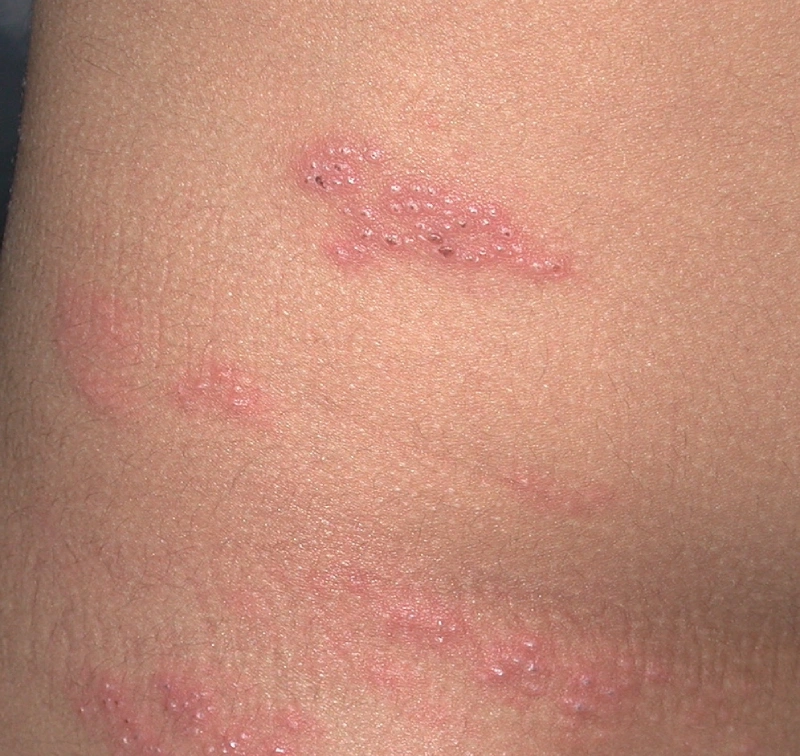
Private Shingles Treatment at the Thomas Clinic
the Thomas Clinic on Harley Street provides specialist private shingles treatment led by consultant dermatologist Dr Bjorn Thomas, combining expert dermatological care with prompt, discreet, personalised attention. Early intervention is essential, significantly reducing pain, shortening symptom duration, and preventing long-term complications like post-herpetic neuralgia (PHN).
Choosing the Thomas Clinic gives you rapid access to specialist care, avoiding NHS delays that can place patients at unnecessary risk. Our streamlined self-referral process ensures you are seen quickly—often within 24 to 48 hours—allowing antiviral medication to begin within the critical 72-hour window.
Dr Thomas offers expert diagnosis, clear explanations, and compassionate reassurance, including specialist expertise in complex shingles cases affecting the face or eyes. Your treatment is delivered discreetly in a comfortable, professional setting, prioritising pain relief, rapid recovery, and peace of mind.
At the Thomas Clinic, shingles is managed with urgency, clarity, and compassionate expertise, helping you swiftly regain comfort and control.
Dr Bjorn Thomas – Shingles Treatment Specialist
Dr Bjorn Thomas (MBBS, PhD, MRCP) is a highly respected consultant dermatologist specialising in shingles treatment. Alongside his Harley Street practice, Dr Thomas previously held a key clinical role at Guy’s and St Thomas’ NHS Foundation Trust, one of the UK’s leading dermatology centres.
Patients frequently commend Dr Thomas for his approachable manner and clear communication, consistently noting his ability to explain complex treatments in simple, reassuring terms. His calm professionalism transforms potentially anxious experiences into comfortable, confident encounters.
In managing shingles, Dr Thomas is meticulous, thorough, and compassionate. Patients regularly highlight his attentive follow-up and detailed explanations, ensuring they feel fully supported at every stage of their treatment.
Book a Shingles Consultation Today
If you suspect shingles, quick action can significantly ease symptoms and prevent complications. the Thomas Clinic on Harley Street specialises in fast, expert shingles care, including urgent treatment for complex cases involving the face or eyes.
Our convenient self-referral system offers appointments within 24–48 hours, ensuring timely antiviral treatment and effective pain management. Consultations are discreet, thorough, and tailored precisely to your needs, with clear explanations and compassionate support.
Take immediate control of your health—contact us today for swift, reassuring specialist care.
What is Shingles?
Shingles, medically known as herpes zoster, is a painful viral infection triggered by reactivation of the varicella-zoster virus—the same virus responsible for chickenpox. After chickenpox infection, the virus lies dormant within nerve cells and can reactivate if immunity weakens, though often no clear cause is identified. Upon reactivation, the virus travels from nerve roots near the brain or spinal cord along sensory nerves to the skin. This explains why pain often precedes the rash or blisters by several days. Unlike herpes simplex, shingles typically occurs only once.
Typical Shingles Symptoms:
Symptoms usually progress through three distinct stages over approximately 3–5 weeks:
Early Signs (Days 1–5):
- Pain, tingling, burning, or numbness typically occurs on one side of the body. Rarely, the pain can be severe enough to mimic other conditions (e.g., appendicitis), leading to misdiagnosis.
- Flu-like symptoms such as fever, fatigue, headache, and general malaise, although these may be subtle.
Rash and Blisters (Weeks 1–2):
- A red rash usually forms a band or stripe restricted to one side of the body.
- Painful, small, fluid-filled blisters develop in clusters within days. The appearance can resemble herpes simplex (cold sores), but typically occurs on body areas not commonly affected by herpes simplex. The one exception may be the lower back, potentially reflecting reactivation of genital herpes.
- Pain usually peaks around days 4–5.
Healing Stage (Weeks 2–5):
- Blisters crust and begin healing within 7–10 days.
- Complete skin healing generally occurs within 2–4 weeks.
- Pain gradually diminishes; however, some lingering skin sensitivity may persist. Older individuals who did not receive prompt antiviral therapy are at higher risk of developing post-herpetic neuralgia (PHN), a potentially severe and long-lasting nerve pain condition exacerbated by touch or even slight stimuli such as wind. Early treatment significantly reduces this risk.
- Temporary skin pigmentation changes or minor scarring can occasionally occur.
Who Commonly Gets Shingles?
Anyone previously infected with chickenpox can develop shingles, but some groups are at greater risk:
- Age: Most common after age 50, with risks increasing further after age 60. Often, no clear triggering cause is identified.
- Weakened Immunity: Individuals undergoing cancer treatments, people with HIV/AIDS, or those taking immunosuppressive medications.
- Stress and Illness: Physical or emotional stress can trigger outbreaks.
- Chronic Conditions: Conditions such as diabetes, rheumatoid arthritis, or COPD slightly increase susceptibility.
Shingles Vaccine (Shingrix):
Shingrix is a highly effective two-dose vaccine recommended to significantly reduce the risk of shingles or to lessen the severity of an episode. Additionally, widespread childhood vaccination against chickenpox is expected to decrease shingles incidence in future generations.
Transmission and Precautions:
Shingles itself cannot be directly caught from another person; rather, it arises when your dormant chickenpox virus reactivates. However, individuals with shingles can shed the virus and pass it on to others who have never had chickenpox, potentially causing them to develop chickenpox. Pregnant women who have not previously had chickenpox should avoid contact with individuals experiencing active shingles outbreaks.
Prompt diagnosis and specialist care significantly improve recovery and reduce the risk of lasting complications.
What Causes Shingles?
Shingles, medically known as herpes zoster, occurs due to the reactivation of the varicella-zoster virus—the same virus responsible for chickenpox. After chickenpox recovery, this virus remains inactive (dormant) within nerve cells, sometimes for many years, before becoming active again.
Common triggers for shingles include:
- Age: Immune systems naturally weaken over time, significantly increasing shingles risk after age 50.
- Weakened Immunity: Conditions such as HIV/AIDS, cancer, chemotherapy, radiation therapy, or immunosuppressive medications can lower immune defences, making virus reactivation more likely.
- Stress or Illness: Physical or emotional stress and certain chronic illnesses (like diabetes or autoimmune diseases) may temporarily reduce immune response, prompting reactivation.
Shingles isn’t caught from someone else—it occurs when your own dormant chickenpox virus reactivates, usually during periods when your immunity is reduced.
Where are Shingles most commonly found?
Shingles usually appears as a painful rash affecting only one side of the body, tracing along the path of specific nerves. Typical areas include:
- Torso (Chest and Abdomen): Often presents as a distinctive band or “belt” of blisters around one side of the chest, upper back, or abdomen, clearly following nerve pathways.
- Face and Eyes: Facial shingles commonly affects the forehead, cheek, scalp, or area around the eye (ophthalmic shingles). Involvement around the eyes requires urgent specialist care due to the risk of serious complications, including potential vision loss. Notably, blisters appearing on the tip of the nose may indicate eye involvement, as both areas share the same sensory nerve.
Less commonly, shingles can occur on the neck, lower back, limbs, or sensitive regions such as the perineum. Prompt specialist evaluation and treatment effectively manage pain and significantly reduce the risk of lasting complications.
How Shingles Treatment Works
Shingles treatment at the Thomas Clinic involves a swift, targeted approach designed to halt the virus, control pain, and prevent complications. Early intervention is critical for achieving optimal outcomes.
Step 1: Initial Consultation and Diagnosis
- A specialist dermatologist conducts a thorough assessment to confirm shingles.
- Immediate initiation of treatment is emphasised, ideally within 72 hours of rash onset.
Step 2: Antiviral Medications
- Oral antivirals (Aciclovir, Valaciclovir, or Famciclovir) halt viral replication, shorten symptom duration, and significantly reduce complication risks, especially post-herpetic neuralgia (PHN).
- Optimal results depend on starting antivirals within the crucial 48–72-hour window—the earlier the better.
- Some experts advocate a “front-loading” approach, prescribing a double dose for the first two days to achieve faster viral control.
Step 3: Pain Management
- Mild pain: Managed effectively with paracetamol, ibuprofen, cooling compresses, and soothing lotions.
- Severe nerve-related pain: Controlled using prescription medications such as amitriptyline, gabapentin, or pregabalin, helping manage acute discomfort and prevent chronic pain.
- Topical treatments: Lidocaine patches or capsaicin creams may be recommended for persistent localised pain.
Step 4: Specialist Management for Complex Cases
- Immediate specialist attention is provided for shingles affecting sensitive areas such as the face, eyes, or ears (ophthalmic shingles or Ramsay Hunt syndrome).
- Close collaboration with ophthalmologists or neurologists ensures comprehensive care, significantly reducing complication risks.
Typical Treatment Timeline
- Days 1–5: Initial symptoms of tingling, burning, or flu-like feelings appear.
- Weeks 1–2: Rash develops into blisters, peaking around days 4–5. Blisters typically crust over in 7–10 days.
- Weeks 2–5: Rash heals, scabs clear, and pain steadily diminishes. Most patients fully recover within 3–5 weeks.
- Pain lasting beyond three months may indicate PHN, requiring specialist ongoing care.
At the Thomas Clinic, our specialist dermatologist provides prompt diagnosis, effective treatment, and compassionate support, ensuring swift recovery and long-term comfort.
Why might I need a professional dermatologist for Shingles?
Choosing specialist dermatological care for shingles, particularly in complex or sensitive cases, provides clear benefits, ensuring optimal outcomes and comfort during recovery.
Rapid Diagnosis and Treatment
Private dermatologists offer immediate appointments—typically within 24–48 hours—ensuring antiviral medication begins within the crucial 48-hour window. This prompt action greatly reduces the risk of long-term complications such as post-herpetic neuralgia (PHN). Unlike NHS pathways, no GP referral is needed, putting you directly in control without delays.
Expertise for Complex Cases
Dermatologists accurately identify shingles even in atypical cases or when symptoms resemble other skin conditions. Their expertise is essential for:
- Facial and Eye-Area Shingles (Ophthalmic Shingles): Immediate specialist care prevents serious complications such as vision loss or facial nerve paralysis (Ramsay Hunt syndrome).
- Severe or Widespread Cases: Patients experiencing intense pain, extensive rash, or compromised immunity benefit from dermatologists’ specialist management.
Personalised Pain Management
Consultations are thorough, allowing tailored treatment and immediate prescription of advanced neuropathic medications. This targeted pain relief effectively manages symptoms, preventing chronic nerve pain.
Preventing Long-Term Complications
Without timely, expert care, shingles can cause lasting pain, scarring, or permanent nerve damage. A dermatologist’s early intervention and careful follow-up help safeguard your long-term health.
Choosing specialist dermatological care ensures peace of mind, precise diagnosis, and proactive treatment, managing shingles promptly, professionally, and compassionately.
Register with the Thomas Clinic for a Shingles Diagnosis and Treatment
Shingles can be a painful and distressing health issue, and getting it reviewed by a certified dermatologist should be done quickly, particularly if the shingles are on the face or around the eyes. Once you register with the clinic, we will contact you to confirm your booking and address any questions you may have. If you prefer, you can also make a booking by phone.
Speak to Our Skin Specialists
If you suspect shingles, prompt expert care is vital. At the Thomas Clinic, we offer immediate access to specialist dermatological care, ensuring fast diagnosis, effective treatment, and compassionate support throughout your recovery. Our discreet and professional approach provides the reassurance and relief you deserve during this challenging time.
No GP referral is needed—simply contact us directly by phone or email. Appointments are often available on the same or the next day, ensuring rapid intervention.
Take control of your health today. Our specialists are here to provide clarity, comfort, and peace of mind.
Frequently Asked Questions
Do I need to see a doctor for shingles in the UK?
If you suspect shingles, prompt medical attention is strongly recommended. While pharmacists and GPs can manage routine cases and prescribe antiviral medication, specialist dermatological care is essential under certain circumstances. Early intervention cannot be overemphasised, especially in the following situations:
- Facial, Eye, or Ear Involvement:
Shingles affecting sensitive areas such as the eyes, ears, or face requires urgent specialist attention to prevent serious complications like vision loss or facial paralysis. - Severe Pain or Extensive Rash:
Dermatologists provide advanced pain management strategies and expert care, which are particularly crucial in widespread or unusually painful cases. - Weakened Immunity:
Immunocompromised individuals, whether due to illness or medication, require specialist oversight to reduce the risk of severe complications, including generalised shingles outbreaks. - Diagnostic Uncertainty or Complications:
Sometimes the diagnosis is uncertain, especially if the rash hasn’t yet developed the typical clusters of blisters and presents initially as red patches. Specialist dermatologists ensure precise diagnosis, effective early treatment, and significantly reduced risk of long-term nerve pain (post-herpetic neuralgia).
Private dermatological care guarantees rapid access, personalised treatment plans, and critical early intervention—ideally within the first 72 hours—to minimise symptoms and prevent complications effectively.
Should I go to A&E if I think I have shingles?
Getting urgent access to medical care can sometimes be challenging. While most shingles cases can be effectively managed by your GP or a dermatologist, certain situations require urgent hospital care. Seek immediate attention at A&E if you experience:
- Rash near your eye or nose (ophthalmic shingles): Immediate specialist care is critical due to the risk of permanent vision damage.
- Facial paralysis, severe ear pain, or rash around the ear (Ramsay Hunt syndrome): Prompt attention can prevent permanent nerve damage.
- Severe, widespread rash or intense pain: If symptoms are uncontrolled by standard pain relief, urgent specialist care is needed to prevent complications.
- Weakened immune system: If you have a compromised immune system due to chemotherapy, steroids, immunosuppressants, or conditions like HIV, urgent hospital care reduces the risk of serious complications.
- New neurological symptoms: Symptoms such as confusion, severe headache, or neck stiffness may indicate viral involvement of the nervous system and require immediate evaluation.
- Inability to access usual medical care: If your regular healthcare providers are unavailable, attending A&E ensures timely treatment.
In these scenarios, rapid assessment and specialist care at A&E significantly reduce the risk of lasting complications and greatly improve your overall outcomes.
What are the worst days of shingles?
If you suspect shingles, understanding its typical timeline can help manage your expectations and encourage prompt treatment. Generally, the most difficult or “worst days” occur within the first week after the rash appears:
- Prodromal Phase (1–5 days before rash):
You may experience early sensations like burning, tingling, itching, or numbness in the affected area. - Acute Eruptive Phase (Days 3–7 after rash onset):
Pain typically reaches its peak during this period, coinciding with the appearance and progression of fluid-filled blisters. - Healing Phase (Days 7–14):
Pain gradually decreases as blisters crust over and healing progresses.
Seeking treatment promptly—ideally within 48–72 hours of rash onset—is crucial. Early intervention significantly reduces pain severity and greatly decreases the risk of long-term nerve complications such as Post-Herpetic Neuralgia (PHN). The earlier treatment begins, the better your outcomes.
