
Molluscum Treatment In The UK

Personally Tailored Molluscum Treatment in London
the Thomas Clinic on Harley Street offers specialist-led, private molluscum contagiosum (MC) treatment in London. Molluscum contagiosum is a benign but contagious skin condition causing small, pearl-like bumps. Though medically harmless, molluscum lesions can significantly affect your confidence and comfort, especially when visible on the face, arms, or torso.
Unlike the NHS’s typical “watchful waiting,” we offer discreet, immediate action, focusing on rapid resolution, cosmetic improvement, and minimising scarring. Our expert dermatologists understand your concerns about appearance, spread, and emotional impact, providing treatments tailored specifically to your needs.
This article clearly explains molluscum contagiosum causes, available treatment options, and how our discreet, personalised approach restores your comfort and peace of mind.
You’re In Safe Hands – Dr Bjorn Thomas
Dr Bjorn Thomas is a consultant dermatologist specialising in molluscum contagiosum treatment at his Harley Street clinic. Dr. Thomas previously worked at Guy’s and St Thomas’ NHS Foundation Trust, one of the UK’s top dermatology centres, as a permanent Consultant Dermatologist.
Known for his meticulous, empathetic approach, Dr Thomas prioritises clear communication, ensuring patients fully understand their condition, treatment options, and expected outcomes. Patients frequently highlight his professionalism, reassuring explanations, and sensitivity to their emotional well-being and privacy.
Under Dr Thomas’s expert care, you can confidently expect discreet, effective treatment focused on swiftly resolving your symptoms, minimising scarring, and restoring your comfort and confidence.
Book a 1-2-1 Molluscum Consultation
Booking your private molluscum consultation at the Thomas Clinic on Harley Street provides immediate reassurance and a clear, tailored treatment plan. During your discreet dermatologist-led appointment, Dr Bjorn Thomas carefully assesses your condition, examines lesions, and discusses your specific concerns.
Our straightforward self-referral process lets you bypass NHS waiting lists and the conservative “watchful waiting” approach, giving you rapid access to specialist care. Dr Thomas will clearly outline treatment options, manage your expectations, and address your questions about symptom relief, cosmetic outcomes, infection prevention, and scarring.
Take the first step toward restored comfort and confidence—book your consultation today.
What Does Molluscum Treatment Entail?
Molluscum contagiosum is highly treatable with specialist dermatological care. At the Thomas Clinic, we offer structured, personalised treatment plans tailored to your needs, ensuring rapid resolution, clear expectations, and restored confidence.
Here’s exactly what to expect from your molluscum treatment at our Harley Street clinic:
Step 1: Initial Consultation and Assessment
Your first appointment involves consultation with dermatologist Dr Bjorn Thomas. He’ll carefully review your medical history, visually examine the lesions (using magnification if needed), confirm your diagnosis, and rule out similar conditions. He will also assess for any secondary bacterial infection, particularly in patients with eczema. Dr Thomas will discuss any potential risk of residual pigmentation or scarring resulting from molluscum lesions or treatment.
Step 2: Tailored Treatment Planning
Dr Thomas clearly outlines your molluscum treatment options, including:
- Topical Treatments:
Creams such as potassium hydroxide (KOH), salicylic acid, or benzoyl peroxide, which cause mild irritation and inflammation to stimulate your immune system to clear the lesions. - Physical Removal Methods:
Procedures such as cryotherapy (freezing), curettage (scraping under local anaesthetic; generally not preferred for children), or advanced Pulsed Dye Laser (PDL) therapy, offering rapid and cosmetically superior results.
Together, you’ll discuss benefits, risks, and expected timelines, developing a personalised treatment plan tailored to your age, lifestyle, and comfort preferences.
Step 3: Treatment Implementation
Physical removal methods are performed discreetly at the clinic, typically with minimal discomfort:
- Cryotherapy: Quick freezing of lesions with liquid nitrogen.
- Curettage: Gentle scraping performed after applying a local anaesthetic (typically avoided in young children).
- Pulsed Dye Laser (PDL): Precise laser treatment targeting lesions to achieve excellent cosmetic outcomes with minimal scarring.
If topical treatments are chosen, clear guidance and prescriptions will be provided for safe and effective application at home.
Step 4: Aftercare and Monitoring
Dr Thomas provides comprehensive aftercare instructions designed to enhance healing. These include gentle wound cleaning, moisturising, sun protection, and strategies to prevent infection and avoid spreading the molluscum.
Step 5: Follow-Up and Support
Follow-up visits can be arranged to monitor progress and address any new lesions or concerns.
At the Thomas Clinic, our structured, compassionate approach delivers discreet, efficient, and highly effective molluscum care.
Initial Molluscum Treatment Consultation
Your initial consultation at the Thomas Clinic on Harley Street involves a thorough yet discreet evaluation to accurately confirm your molluscum contagiosum diagnosis and determine the most effective treatment plan. Dr Bjorn Thomas will carefully review your medical history, examine the severity and spread of lesions, and discuss related symptoms such as itching or discomfort.
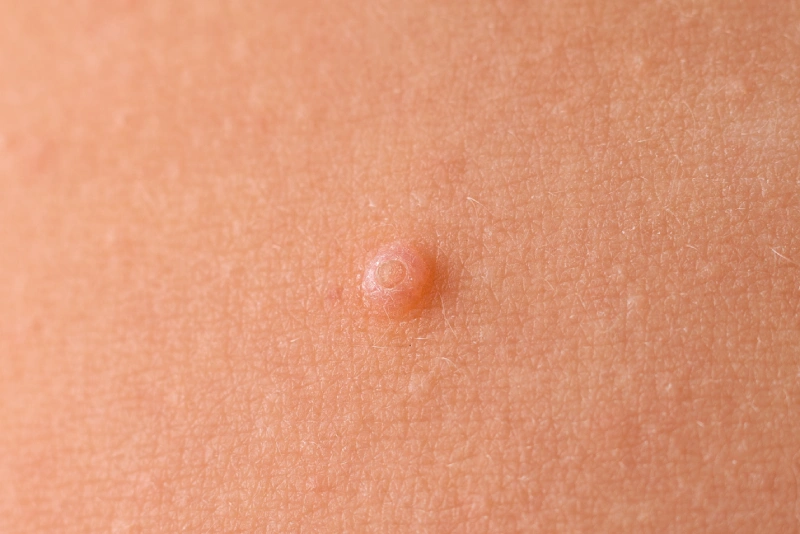
He’ll visually inspect the characteristic dome-shaped bumps with their distinctive central dimple, using magnification when necessary. Molluscum usually resolve by themselves on average in 9-12 months. Those individuals with eczema are more prone to MC and often last for longer
After this careful assessment, Dr Thomas will clearly outline your treatment options, considering your comfort, cosmetic preferences, and emotional concerns. Together, you’ll develop a personalised treatment approach to swiftly, safely, and discreetly resolve your molluscum symptoms, answering any questions along the way.
Molluscum Treatment Methods That We Provide
Topical Treatments
Topical treatments are usually the first choice for actively treating molluscum contagiosum. These solutions gently irritate the lesions, prompting your immune system to clear the virus, and can be conveniently applied at home.
Potassium Hydroxide (KOH)
Potassium hydroxide (5% or 10%) effectively influences infected skin cells, triggering mild irritation to encourage your body’s immune response. It’s commonly recommended, particularly for children over two years old.
Salicylic Acid
Salicylic acid gently exfoliates lesions, helping your immune system clear the infection. Its mild action makes it suitable, often combined with other topical treatments.
Benzoyl Peroxide
Primarily used for acne, benzoyl peroxide has mild irritant and antibacterial properties. While not a first-line choice, it can help stimulate the immune response, particularly if lesions show secondary bacterial infection.
Tretinoin (Topical Retinoids)
Tretinoin promotes rapid skin cell turnover, gently extrudes molluscum lesions and activates immune clearance. Though slower-acting and potentially irritating, it’s often effective for facial lesions or sensitive skin.
Imiquimod (Aldara)
This cream stimulates the innate immune system. It is sometimes effective in some individuals, although clinical trials are not convincing in a population of patients, but can be effective in some individuals
Your dermatologist will recommend specific topical treatments tailored to your needs, providing clear instructions for safe and comfortable home application.
Physical Removal Methods
Physical removal methods involve quick, clinician-administered procedures designed to effectively eliminate molluscum lesions. At the Thomas Clinic, we prioritise your comfort, safety, and excellent cosmetic outcomes.
Cryotherapy (Freezing)
This involves freezing lesions with liquid nitrogen, typically requiring 1–3 short sessions spaced several weeks apart. Though briefly uncomfortable, our experienced dermatologist minimises discomfort and reduces the risk of scarring or pigment changes.
Curettage (Scraping)
Curettage gently removes lesions using careful scraping after applying a topical anaesthetic. Providing immediate clearance, this method is effective, safe, and offers rapid healing and excellent cosmetic results.
Pulsed Dye Laser (PDL)
PDL precisely targets lesions using specialised laser technology, achieving superior cosmetic outcomes with minimal discomfort and low scarring risk. Sessions are brief, well-tolerated, and highly effective, even for persistent cases.
Dr Thomas will carefully discuss each method during your consultation, outlining benefits, risks, and expected outcomes to ensure the chosen treatment aligns perfectly with your preferences and lifestyle.
Our Post-Treatment Tips
Proper aftercare following molluscum treatment ensures optimal healing, minimises complications, and delivers excellent cosmetic results. Dr Thomas recommends:
- Clean Hands First:
Wash hands thoroughly before touching treated areas. - Gentle Cleaning:
Gently wash treated areas once or twice daily with mild soap, then pat dry. - Keep the Area Moist:
Regularly apply petroleum jelly (such as Vaseline) to aid healing and minimise scarring. - Avoid Picking:
Don’t pick, scratch, or squeeze treated spots—allow them to heal naturally. - Protect the Skin:
Cover treated areas with adhesive bandages if clothing irritates; otherwise, leave uncovered. - Watch for Infection:
Contact the clinic if you notice increased redness, warmth, swelling, pain, or discharge, indicating possible infection. - Sun Protection:
Once healed, consistently apply a high-SPF, broad-spectrum sunscreen to prevent pigment changes. - Comfort Care:
Use gentle moisturisers or mild topical corticosteroids for irritation. Over-the-counter pain relievers (e.g., paracetamol or ibuprofen) can also help with discomfort.
Following these guidelines ensures smooth healing and the best possible results from your treatment.
What Causes a Molluscum Contagiosum Infection?
Molluscum contagiosum (MC) is a common, benign skin infection caused by the molluscum contagiosum virus (MCV), a member of the poxvirus family. Understanding how the infection spreads can reassure you that it’s highly manageable with appropriate care.
MC lesions typically occur in groups but can sometimes appear as solitary lesions, potentially leading to misdiagnosis. The infection commonly affects two distinct populations:
- Children: Frequently seen in young children, lesions often appear on exposed areas and are usually transmitted through play and direct skin contact.
- Adults: Primarily affecting the genital region, molluscum in adults is most often sexually transmitted. While adults typically benefit from active treatment, a conservative, watch-and-wait approach may be preferred for children when lesions are mild and symptom-free.
Viral Infection (Poxvirus):
Molluscum contagiosum virus specifically infects skin cells, creating characteristic small, dome-shaped bumps. Although related to the virus responsible for smallpox, molluscum itself is harmless.
Direct Skin Contact:
The virus commonly spreads through direct skin-to-skin contact, either during play among children or through intimate or sexual contact among adults.
Contaminated Objects (Fomites):
MCV can temporarily survive on surfaces such as towels, bedding, clothing, or sports equipment, making shared personal items a possible transmission route.
Self-Spread (Autoinoculation):
Scratching, shaving, or picking at lesions can transfer the virus to new areas, resulting in additional bumps.
Benign Nature and Effective Treatment:
Molluscum contagiosum typically resolves naturally, but professional treatment can accelerate recovery, limit spread, relieve discomfort, and address cosmetic concerns.
At the Thomas Clinic, our specialist-led care ensures your molluscum contagiosum is managed swiftly and discreetly, restoring your comfort and peace of mind.
Where On The Body Does Molluscum Develop?
Molluscum contagiosum can appear on various areas, depending on age and how the infection was contracted. Recognising these common locations helps you promptly identify molluscum and seek expert care.
Commonly affected areas include:
- Face: Common in children, often around eyes, cheeks, and mouth.
- Arms and Legs: Frequently around elbows, knees, and joints.
- Trunk (Chest, Back, Abdomen): Especially common in younger patients and children.
- Groin Area: Typically seen in sexually active adults, including genitals, inner thighs, buttocks, and lower abdomen.
Molluscum may also occasionally appear on less common areas, such as the eyelids, requiring prompt attention. It rarely affects palms or soles.
At the Thomas Clinic, we prioritise your comfort, discretion, and cosmetic outcome. All treatments are tailored precisely to your individual needs, ensuring excellent results with minimal discomfort.
Patient Satisfaction and Results
At the Thomas Clinic, your satisfaction and comfort are central to our approach. Although molluscum contagiosum lesions are medically seen as a nuisance, we deeply understand their emotional and social impact, especially when visible on areas like the face or arms.
Patients consistently report positive experiences, emphasising outcomes such as:
- Reduced embarrassment and anxiety, enabling a confident return to social activities.
- Rapid symptom relief significantly reduces discomfort and itchiness.
- Excellent cosmetic outcomes, with minimal or no visible scarring, particularly valued in discreet treatments.
Our compassionate, tailored consultations ensure you regain confidence and control, addressing both physical symptoms and emotional well-being effectively.
To discuss your concerns or see examples of our successful outcomes, we warmly invite you to book a consultation today.
Register for Molluscum Treatment In London
Taking the first step towards discreet, effective molluscum contagiosum treatment at the Thomas Clinic is simple. Easily book your private consultation by phone, online, or via email—no GP referral necessary. Our friendly team will promptly confirm your appointment, ensuring minimal waiting and maximum peace of mind.
Whether you prefer booking online or speaking directly with our team by phone, we ensure a seamless experience. Any questions or concerns will be professionally and swiftly addressed, helping you feel confident and reassured.
Contact us today to quickly and discreetly resolve molluscum concerns, restoring comfort and confidence for you and your family.
Speak to Our Skin Specialists
Although molluscum contagiosum is benign, its visible lesions can significantly impact your confidence, emotional comfort, and daily life. Experiencing embarrassment, anxiety, or social discomfort due to visible bumps—whether on yourself or your child—is entirely understandable. At the Thomas Clinic, our specialists approach your care with empathy, discretion, and deep expertise.
We recognise that molluscum contagiosum can cause genuine distress, particularly when lesions affect daily activities or relationships. Our personalised treatments address not only the lesions but also their emotional and psychological impact. Patients frequently experience significant improvements following treatment, including renewed self-esteem, reduced anxiety, greater social confidence, and relief from discomfort.
Our specialists are highly experienced in managing even complex or sensitive cases, including persistent lesions, molluscum-related dermatitis, genital lesions in adults, and scarring concerns. Your treatment is collaborative—we actively involve you in decision-making, ensuring your comfort, priorities, and preferences guide your care.
Don’t let molluscum contagiosum affect your emotional well-being any longer. Our professional, friendly dermatology team is ready to discreetly and effectively restore your confidence and healthy skin. Contact us by phone or email today to discuss your concerns and take the first step toward renewed comfort and peace of mind.
Molluscum Contagiosum Frequently Asked Questions
Who is most likely to get Molluscum Contagiosum?
Molluscum contagiosum is common and can affect anyone, though certain groups have a higher susceptibility:
- Young Children:
Particularly common among children aged 1–10 years, especially preschoolers (ages 1–4) due to frequent skin contact and shared toys or objects during play. - Individuals with Atopic Dermatitis (Eczema):
People with eczema have an impaired skin barrier, making them more prone to infection and often resulting in more widespread, persistent lesions. - Sexually Active Adults:
Adults may contract molluscum through sexual contact, typically affecting the genital area, inner thighs, and lower abdomen. - Immunocompromised Individuals:
Individuals with weakened immune systems (e.g., HIV/AIDS, chemotherapy patients, transplant recipients on immunosuppressants) can experience severe, persistent, or treatment-resistant molluscum. - Environmental and Social Factors:
Warm, humid climates, crowded environments, contact sports, and shared personal items (towels, sports gear) can increase infection risk.
If you or your family members fall into any of these categories and suspect molluscum contagiosum, the Thomas Clinic offers professional evaluation and tailored treatments to manage symptoms quickly, discreetly, and effectively.
How is Molluscum Spread?
Molluscum contagiosum spreads primarily through direct or indirect transfer of the virus from existing lesions. Confirmed methods of transmission include:
- Direct Skin-to-Skin Contact:
The most common route, particularly during play among children or through intimate and sexual contact in adults. - Self-Spread (Autoinoculation):
Touching, scratching, shaving, or picking at lesions can transfer the virus, leading to new bumps appearing nearby. - Contaminated Objects (Fomites):
Sharing personal items like towels, clothing, bedding, bath sponges, toys, or sports equipment can transmit the virus, which remains viable on surfaces for days or even weeks. - Water-Related Activities:
While swimming pool water itself is not typically infectious, transmission can occur indirectly through shared towels, pool equipment, or close contact in changing areas.
Simple hygiene practices such as frequent handwashing, covering lesions, and avoiding shared personal items significantly reduce the risk of spreading molluscum contagiosum.
What Can Be Mistaken for Molluscum Contagiosum?
Several skin conditions can appear similar to molluscum contagiosum, potentially causing confusion. Dermatologists differentiate molluscum clearly by recognising specific visual and clinical characteristics:
- Warts (Verrucae):
Often rough-textured with an irregular surface, genital warts may appear softer and cauliflower-like. Molluscum lesions are smoother and have a central dimple. - Folliculitis:
Inflamed hair follicles produce red or pus-filled bumps that tend to be tender and lack the characteristic central indentation seen in molluscum. - Milia and Epidermoid Cysts:
Small, firm, white cysts without molluscum’s distinctive central dimple. - Lichen Planus:
Purple, flat-topped bumps often featuring fine white lines (Wickham’s striae), clearly different from molluscum’s pearly, dome-shaped appearance. - Herpes Simplex Virus (HSV):
Clusters of painful blisters or sores, contrasting sharply with molluscum’s painless, firm lesions. - Keratoacanthoma and Basal Cell Carcinoma:
Skin cancers usually present as larger, rapidly growing lesions, typically in older adults. Biopsy may be necessary for definitive diagnosis. - Chickenpox (Varicella):
Rapidly evolving blisters accompanied by fever and systemic illness, distinct from molluscum’s persistent and painless bumps.
At the Thomas Clinic, dermatologists use careful clinical examination, dermatoscopy, and if needed, biopsy, to accurately confirm molluscum contagiosum and rule out similar conditions, ensuring you receive prompt and effective treatment.
Can Molluscum Live On Sheets or Clothing?
Yes, the molluscum contagiosum virus (MCV) can temporarily survive on sheets, clothing, towels, and other similar items—especially if damp. The virus’s waxy nature allows it to persist for hours or even days on moist surfaces, potentially leading to indirect transmission through shared personal items.
To minimise this risk, dermatologists recommend these simple hygiene steps:
- Avoid Sharing: Do not share towels, clothing, bedding, or bath items with someone who has active molluscum lesions.
- Regular Washing: Frequently wash clothing, bedding, and towels in hot water with detergent to kill the virus.
- Routine Cleaning: Regularly disinfect toys and surfaces with standard household cleaning products.
Following these straightforward hygiene practices greatly reduces the risk of molluscum contagiosum spreading, aiding quicker resolution and providing peace of mind.
