
Fungal Skin Infection Treatment in London
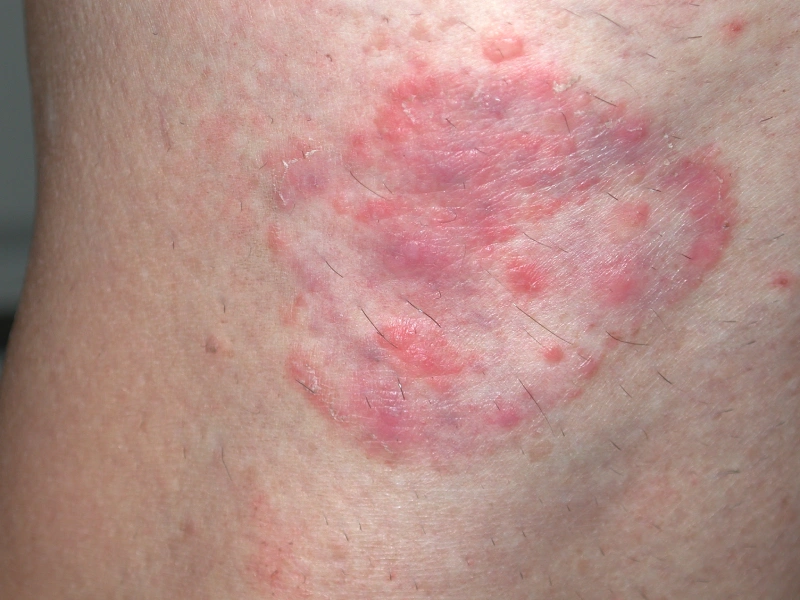
Fungal Skin Infection Treatment at the Thomas Clinic
We provide specialist-led treatment for fungal skin infections at the Thomas Clinic, combining precise diagnosis with compassionate care. Below you will find an explanation of Fungal Skin Infections: What they are, why they occur and how to get help.
Fungal Skin infections are extremely common, affecting up to one in six people in the UK and a quarter of the global population, yet many patients feel embarrassed or anxious. They can affect anyone, regardless of age or background, and are not a sign of poor hygiene. With the right care, they are highly treatable, curable, and nothing to be ashamed of.
Fungal infections occur when dermatophytes, yeasts such as Candida or Malassezia, or occasionally moulds, overgrow on the skin, nails, or scalp. They cause redness, itching, scaling, ring-shaped rashes, cracked skin between toes, discoloured nails, or scaly patches on the scalp.
While usually mild, they can be persistent, uncomfortable, and contagious, spreading via skin contact, shared surfaces, or pets. Risk factors include warm, moist environments, tight footwear, excess sweating, weakened immunity, or other skin conditions that disrupt the barrier.
Patients often come to us after repeated infections or disappointment with over-the-counter remedies. Others worry about spreading the infection or the side effects of medication.
At the Thomas Clinic, we can provide clarity and reassurance by confirming the diagnosis with tests such as KOH microscopy or fungal culture, selecting the most effective treatment for your infection and site, ensuring correct dosing, and monitoring for safety. This specialist approach achieves faster, more complete cures, reduces recurrence, and provides clear prevention strategies.
You can expect discreet, expert care and the confidence that your condition will be managed with professionalism, from start to finish.
Understanding Fungal Skin Infections
Fungal skin infections (also called superficial mycoses) are common conditions that affect the outer layers of the skin, hair, and nails, where fungi feed on keratin.
- They are usually mild in healthy individuals but can be persistent and recurrent.
- They affect up to 25% of the global population.
- In the UK, nearly one in four samples tested for suspected fungal infection proves positive.
What Causes Fungal Skin Infections?
FFungal skin infections (also called superficial mycoses) are common conditions that affect the outer layers of the skin, hair, and nails, where fungi feed on keratin.
- They are usually mild in healthy individuals but can be persistent and recurrent.
- They affect up to 25% of the global population.
- In the UK, nearly one in four samples tested for suspected fungal infection proves positive.
What Causes Fungal Skin Infections?
Fungal infections are caused by three main groups of organisms:
- Dermatophytes
- The most common cause of fungal skin infections in the UK, especially Trichophyton rubrum
- These fungi have evolved to grow specifically on human skin
- In contrast, some Microsporum species grow on animals (e.g. cats and dogs). When they infect humans, they tend to trigger a brisk immune reaction with more obvious inflammation.
- Certain Trichophyton species, such as T. mentagrophytes, are now showing resistance to traditional antifungal drugs
- Yeasts (Candida and Malassezia)
- These overgrow in warm, moist conditions, causing rashes in skin folds or lighter/darker patches on the trunk (your body or torso)
- They usually require specific conditions on our skin to thrive, and are not easily transmitted from person to person
- Non-dermatophyte moulds
- Less common, but may infect nails or damaged skin
- More likely to affect people with weakened immunity
Common Types of Fungal Infections
- Athlete’s foot (Tinea pedis): Cracked, itchy skin between the toes
- Ringworm (Tinea corporis): Ring-shaped, itchy rashes on the body
- Jock itch (Tinea cruris): Red, irritated rashes in the groin
- Scalp ringworm (Tinea capitis): Scaly patches with hair loss
- Fungal nail infections (Onychomycosis): Thickened, discoloured, brittle nails
- Candidiasis: Moist, red rashes in skin folds
- Pityriasis versicolor: Lighter or darker patches on the trunk
How Fungal Infections Spread
Fungal infections spread easily through:
- Skin-to-skin contact
- Shared or contaminated items (e.g. Towels, shoes, combs)
- Communal surfaces (e.g. Gym floors, swimming pools)
- Pets (especially cats and dogs)
- Self-transfer from one body site to another
Who Is at Risk?
- Athletes
- Children
- People who sweat excessively
- Those living in warm or humid environments
- Patients with chronic skin conditions (eczema, psoriasis)
- Anyone with a weakened immune system
Because fungal rashes often mimic conditions such as Eczema or Psoriasis, accurate diagnosis is essential.
How the Thomas Clinic Can Help
We will often use confirmatory tests to identify the exact cause of infection, such as:
- Wood’s lamp investigation, which is a simple investigation using UV light
- Fungal cultures or PCR testing
Once tested, we can ensure you receive the right treatment, avoid any unnecessary or ineffective therapies and achieve safe, effective and lasting results.
Common Symptoms and When to Seek Treatment
Fungal skin infections can cause a variety of symptoms, including itching, redness, scaling, ring-shaped rashes, cracked skin between the toes, or discoloured and thickened nails. In some cases, they appear as lighter or darker patches on the skin, or soggy white skin in moist areas such as between the toes, or brittle, crumbly nails.
The presentation often depends on the site affected: Athlete’s foot typically produces scaling and fissures between the toes, while jock itch causes an itchy rash in the groin, scalp ringworm leads to scaly patches with hair loss in children, and nail infections result in thickened, yellow / brown nails that may even lift from the nail bed.
Without treatment, fungal infections rarely resolve on their own. They may spread, become chronic, or lead to complications such as secondary bacterial infection, permanent nail damage, or, in severe scalp infections, scarring hair loss. Beyond the physical effects, visible symptoms can also affect confidence, leading to embarrassment or anxiety.
Certain warning signs mean a prompt dermatology review is necessary, including rapidly spreading or extensive rashes, signs of bacterial infection such as pus, fever, or pain, scalp infections with kerion formation, infections in people with weakened immunity, or rashes that are atypical or fail to respond to over-the-counter creams. Nail and scalp infections almost always require prescription oral medication.
Another condition to be aware of is tinea incognito, which develops when a fungal infection is mistakenly treated with corticosteroid cream. This suppresses inflammation but allows the fungus to persist, making the infection harder to recognise.
Specialist assessment ensures an accurate diagnosis, effective treatment, and clear prevention advice. This reduces the risk of complications or recurrence and helps restore both skin health and peace of mind. We are happy to assist patients with suspected or confirmed fungal infections at the Thomas Clinic, from any of our central London locations (Harley Street, One Welbeck, The Shard).
Ringworm Fungal Infection
Ringworm is the common name for fungal skin infections medically known as tinea. Despite its name, it has nothing to do with worms. It is, in fact, caused by dermatophyte fungi that feed on keratin in the skin, hair, and nails.
The classic “ring” appearance reflects active fungal growth at the border, with clearing in the centre. Unlike yeast conditions such as candidiasis or pityriasis versicolor, ringworm is contagious and spreads easily through skin contact, contaminated surfaces, or pets.
The appearance of ringworm depends on the body site affected.
- On the body (tinea corporis), it produces circular, scaly red patches with a raised border and central clearing.
- On the feet (tinea pedis or athlete’s foot), it causes itching, scaling, fissures between the toes, or sometimes a dry “moccasin” pattern on the soles.
- In the groin (tinea cruris or jock itch), it appears as a reddish-brown rash on the inner thighs and buttocks, usually sparing the genitals.
- On the scalp (tinea capitis), most often seen in children, it creates scaly patches with hair loss or broken hairs, and in severe cases may form a boggy, pus-filled swelling known as a kerion — a strong inflammatory reaction, often triggered by animal-derived fungi infecting the hair shaft.
- In the nails (onychomycosis), infection leads to thickened, yellow or brown, brittle nails that may lift from the nail bed.
Because ringworm can mimic Eczema, Psoriasis, or bacterial rashes, professional diagnosis is essential. Eczema typically has less defined borders and symmetry, psoriasis produces thick silvery scales, and bacterial infections may cause warmth or pus. A dermatologist can distinguish between these conditions and confirm the diagnosis, ensuring you receive the right treatment.
The good news is that ringworm is very common, highly treatable, and not dangerous with proper care. Modern antifungal creams or tablets usually achieve a full cure, even for stubborn nail or scalp infections.
At the Thomas Clinic, we can provide accurate diagnosis, effective treatment, and practical prevention strategies for conditions such as ringworm, athlete’s foot, and fungal nail infections — helping you clear the infection quickly, prevent its spread, and move forward with confidence.
Expert Fungal Skin Infection Treatment in London
At the Thomas Clinic, we provide consultant-led care for fungal skin infections, ensuring accurate diagnosis, effective treatment, and clear prevention advice. Unlike self-treatment, which can often be frustrating or ineffective, our approach delivers faster relief and lowers the risk of recurrence.
Diagnosis You Can Trust
Your care begins with a careful consultation and examination. Where needed, this may be supported by confirmatory tests such as:
- Skin scrapings under the microscope
- Fungal culture or PCR
- Wood’s lamp or dermoscopy for additional insight
- Biopsy in cases of atypical rashes
By confirming the diagnosis, we avoid unnecessary or ineffective treatments and ensure the right therapy is chosen from the outset.
Tailored Treatment Options
Treatment is always adjusted to the severity, location, and specific organism involved:
- Topical antifungal creams (e.g. terbinafine, clotrimazole) for localised infections.
- Oral antifungal tablets for scalp or nail infections, or for widespread or resistant cases.
- Medicated nail lacquers to help in mild nail involvement.
- Antifungal shampoos to reduce fungal shedding from the scalp.
Every plan is carefully adapted to your health, lifestyle, and individual diagnosis.
Supportive Advice for Lasting Results
Medication is only part of the strategy. We also provide practical guidance to reduce recurrence, such as:
- Keeping skin clean and dry.
- Wearing breathable fabrics.
- Alternating footwear and using sandals in communal showers.
- Avoiding shared personal items.
- Checking pets for signs of infection if relevant.
We often recommend continuing treatment beyond visible clearance to secure long-term success.
The Value of Specialist Care
The real value of seeing a dermatologist lies in precision, explanation, and reassurance. At the Thomas Clinic:
- We select the right treatment for the exact fungus and site.
- We monitor safety where oral therapy is required.
- We address underlying risk factors such as diabetes or eczema.
This approach reduces recurrence, prevents complications, and restores skin health with confidence. At the Thomas Clinic, you receive not just antifungal treatment, but a complete, discreet, and professional care strategy in the heart of Harley Street.
About Dr. Bjorn Thomas
Dr Bjorn Thomas (MBBS, PhD, MRCP) is a consultant dermatologist at the Thomas Clinic, with expertise in diagnosing and treating fungal skin infections. Dr Thomas previously held a substantive Consultant role at Guy’s and St Thomas’ NHS Foundation Trust, widely regarded as one of the UK’s leading dermatology centres.
Known for his calm, reassuring manner, Dr Thomas provides clear explanations and tailored treatment plans, supporting patients with both common infections and stubborn, recurrent conditions. Patients frequently highlight his professionalism, sensitivity, and the confidence they feel under his care, praising the clarity and comfort he brings to what can often be an anxious experience.
Book Your Consultation Today
Booking a consultation at the Thomas Clinic to see a private dermatologist is simple, discreet, and designed around your convenience. You can contact us by phone, email, or through our online system—no GP referral required. This self-referral pathway gives busy London patients fast access to care, avoiding the long waits often seen on the NHS.
From your first enquiry, our team ensures the process is clear, efficient, and respectful of your privacy. Appointments are usually available within days, providing rapid access to a consultant dermatologist and the reassurance of expert diagnosis and treatment.
Many patients tell us they only wish they had sought help sooner, describing how straightforward and comfortable the process felt once they took the first step. At the Thomas Clinic, we provide professional, discreet care in a calm setting—helping you move forward with confidence and peace of mind.
Why Choose the Thomas Clinic for Fungal Skin Infection Treatment in London?
Choosing the Thomas Clinic on Harley Street means your care is led by a consultant dermatologist with internationally recognised expertise. We combine clinical excellence with sensitivity to your comfort, confidence, and appearance—an approach that sets us apart from standard routes of care.
Unlike NHS pathways, where waits can be lengthy, our self-referral service offers rapid appointments, often within days. Every consultation is with Dr Bjorn Thomas, ensuring precise diagnosis and a tailored treatment plan rather than a one-size-fits-all approach.
Our focus is on lasting success. Alongside effective antifungal therapies, we provide prevention strategies and lifestyle advice to reduce recurrence, helping patients achieve clear skin and long-term confidence. Our discreet Harley Street setting ensures privacy and professionalism throughout.
Patients frequently describe their care as clear, compassionate, and highly effective. Many highlight the reassurance of finally receiving an accurate diagnosis after months of frustration, and the confidence they regained once their condition had resolved under expert guidance.
At the Thomas Clinic, you can expect the best fungal infection treatment in London—consultant-led, discreet, and personalised care in the heart of Harley Street.
What to Expect From Your Fungal Skin Infection Treatment
At the Thomas Clinic on Harley Street, your journey begins with a calm, non-judgmental consultation. Your dermatologist will take a detailed history, examine the skin, hair, or nails, and check other sites that may act as reservoirs, such as the feet in cases of groin fungus.
From the outset, we reassure patients that fungal infections are common, not a sign of poor hygiene, and entirely treatable.
Diagnosis combines clinical expertise with specialist tests. Dermoscopy, Wood’s lamp, and Mycology scrapings may be used to confirm infection. For nail or scalp cases, or stubborn rashes, fungal culture remains the gold standard, ensuring the most effective treatment is chosen.
Treatment is tailored to the site, severity, and overall health. Localised infections often respond to topical creams or shampoos within two to four weeks. More extensive nail and scalp infections usually require oral antifungals taken for weeks to months.
Most patients notice improvement within days, though nails take longer to clear fully, with healthy regrowth visible only after several months.
Aftercare is central to long-term success. We provide practical guidance on hygiene, clothing, footwear, and household measures—such as keeping skin dry, wearing breathable fabrics, avoiding shared towels, using footwear in communal areas, and checking pets if relevant. Patients with conditions like diabetes or eczema receive tailored advice to reduce future risk.
Follow-up appointments confirm clearance and reinforce prevention. For those prone to recurrence, occasional prophylactic antifungal use may be advised. Throughout, confidentiality and professionalism remain paramount—your treatment is discreet, specialist-led, and designed to restore both comfort and confidence.
Frequently Asked Questions
Can fungal skin infections go away on their own?
In most cases, fungal skin infections do not clear without treatment. The immune system may slow them, but fungi are well adapted to survive on the skin and often persist—or even spread—without antifungal medication. Left untreated, infections can become chronic, remain contagious, or cause complications such as bacterial infection, nail damage, or scarring hair loss in severe scalp cases.
The only exception is mild pityriasis versicolor, which may improve in cooler weather but usually recurs. Fungal nail infections almost never resolve naturally and typically worsen over time.
Professional treatment is strongly advised, even for mild cases. A dermatologist can confirm the diagnosis—important since conditions like eczema or psoriasis can mimic fungal rashes—and prescribe the most effective therapy for the exact fungus and site.
Scalp and nail infections, in particular, require prescription oral medication. Specialist care also ensures correct dosing, monitoring if tablets are needed, and personalised prevention strategies to reduce recurrence.
By seeking expert help, patients achieve faster, more reliable clearance while gaining reassurance, emotional support, and guidance for long-term skin health.
Are fungal skin infections contagious?
Yes, many fungal skin infections are contagious and can spread easily through direct skin contact, contaminated items, or communal areas. Fungal spores can survive on skin, clothing, towels, gym equipment, and floors. Pets such as cats and dogs can also carry ringworm, and infections may even spread from one part of the body to another.
Not all fungal conditions behave in the same way:
– Dermatophyte infections such as ringworm and athlete’s foot are usually contagious.
– Candida overgrowth typically develops from the body’s own yeast rather than being caught from others.
– Pityriasis versicolor, which feeds off natural skin oils, is not considered contagious.
Once antifungal treatment begins, the risk of passing the infection to others usually falls within a few days.
Preventing Spread
Simple measures can greatly reduce the risk of transmission:
– Keep affected areas clean and dry.
– Change socks and underwear daily.
– Wear breathable fabrics.
– Avoid sharing personal items such as towels, shoes, or razors.
– Use flip-flops in communal showers or around swimming pools.
– Wash clothing and bedding regularly in hot water.
– Have pets checked if they may be a source of infection.
Complete the full course of treatment to ensure the infection clears fully and recurrence is prevented.
How long does fungal skin infection treatment take?
The length of treatment depends on the type of infection, the body site involved, and whether topical or oral antifungal medication is required.
Topical antifungals are usually the first-line option for ringworm, jock itch, or athlete’s foot:
- Most cases clear in 2 to 4 weeks
- Tougher “moccasin-type” athlete’s foot may require up to 6 weeks
- Terbinafine cream can resolve some infections in as little as 1 to 2 weeks
- Pityriasis versicolor often improves within 1 week with antifungal shampoo or cream
- Topical nail lacquers must be used consistently for 6 to 12 months and are less effective against stubborn nail infections
Oral antifungals are recommended for scalp infections, nail fungus, widespread rashes, or resistant cases:
- Oral terbinafine:
- 2 to 4 weeks for skin infections
- 4 to 6 weeks (or longer) for scalp ringworm
- 6 weeks for fingernail infections
- 12 to 16 weeks for toenail infections
- Because nails grow slowly, full regrowth may take 12 to 18 months
- Other oral options include fluconazole, itraconazole, and voriconazole
- Yeast infections in skin folds usually respond to a 1 to 2 week course of topical cream or a short course of oral fluconazole
Most patients notice improvement within the first week: Itching subsides, redness fades, and rashes stop spreading. However, it is essential to complete the full course of treatment, even if the skin looks clear sooner. Stopping early is one of the main reasons fungal infections recur.
Can infection recur after treatment?
Yes. Unfortunately, fungal skin infections can recur, especially if treatment is stopped too soon, risk factors are not addressed, or re-exposure occurs. Common causes include incomplete treatment, contaminated environments such as shared showers or old shoes, untreated family members or pets, and underlying factors like excessive sweating, diabetes, obesity, or chronic skin conditions. Because fungal infections do not provide lasting immunity, it is possible to catch ringworm or athlete’s foot again if re-exposed.
The good news is that recurrence can often be prevented. Completing the full course of treatment, keeping skin clean and dry, wearing breathable fabrics, rotating and treating footwear, avoiding shared towels or grooming tools, using protective footwear in communal areas, and washing clothes and bedding regularly in hot water all help reduce risk.
Old shoes may need replacing, and in some cases, antifungal creams applied monthly to the feet can keep infection at bay. For scalp ringworm, household contacts may need antifungal shampoo, and pets should be checked if they are suspected as a source.
We provide tailored prevention plans alongside treatment, addressing individual risk factors such as blood sugar control, weight management, or hyperhidrosis. This holistic approach not only clears the infection but also protects against future recurrences, restoring lasting confidence and peace of mind.
Do I need a prescription?
Not always. Over-the-counter antifungal creams are usually enough for mild, localised infections such as small patches of ringworm, jock itch, limited athlete’s foot, yeast rashes in skin folds, or pityriasis versicolor. Products like clotrimazole, miconazole, or terbinafine are safe, effective, and widely available. It is important, however, to continue treatment for 1 to 2 weeks after the rash appears to clear, as this helps prevent recurrence.
A prescription is required when infections involve the scalp or nails, are widespread or severe, or when pharmacy creams have been used correctly without success. Oral antifungal tablets are essential for scalp ringworm (tinea capitis) and fungal nail infections, and are often prescribed for recurrent cases, rapidly spreading rashes, or to patients with weakened immunity.
Dermatologist oversight is especially valuable for stubborn or resistant infections. Some species of fungi are now becoming resistant to traditional antifungal drugs, making accurate diagnosis and targeted therapy important.
A specialist can confirm the cause with tests such as KOH microscopy or fungal culture, prescribe the most effective medication for the exact organism, monitor for rare side effects, and give tailored prevention advice. They can also address underlying risk factors such as diabetes, excessive sweating, or contaminated footwear that may trigger repeat infections.
In short, pharmacy creams are suitable for many simple cases, but scalp, nail, persistent, or uncertain infections are best managed by a dermatologist. This ensures effective treatment, safe prescribing, and lasting results.
If you would like to see a Consultant Dermatologist, the Thomas Clinic can be found on Harley Street, at One Welbeck and HCA The Shard.
Related Skin Conditions We Treat
Fungal skin infections can sometimes be mistaken for other common skin conditions, which is why accurate diagnosis is essential. At the Thomas Clinic on Harley Street, we also provide specialist care for related concerns:
- Eczema – Certain types, such as discoid or dyshidrotic eczema, can mimic fungal rashes. Eczema on the feet may also be mistaken for athlete’s foot.
- Rosacea – Fungal infections on the face are uncommon and can resemble rosacea or other inflammatory conditions, making professional assessment particularly important.
- Psoriasis – Psoriasis plaques, especially on the scalp, elbows, knees, or soles, can resemble fungal infections due to their redness, scaling, and well-defined borders. Nail psoriasis may also be confused with fungal nail infections.
- Dry skin – Severe dryness can cause itching, flaking, and cracking that mimic a superficial fungal rash. Unlike fungal infections, however, dry skin often improves with regular moisturization and avoidance of irritants.
By linking related treatments, we make it easier for patients to explore all relevant care options while ensuring seamless access to our full range of Harley Street services.
Speak to Our Skin Specialists
If you are concerned about a fungal skin infection, you don’t have to face it alone. At the Thomas Clinic on Harley Street, we understand how these conditions can cause embarrassment, self-consciousness, or anxiety about passing them on. Our role is to provide clarity, reassurance, and effective treatment in a discreet, professional setting.
Patients often describe the relief of finally receiving an accurate diagnosis—many say their only regret was not seeking help sooner. With specialist care, fungal infections can be cleared quickly and effectively, restoring both your skin health and your confidence.
Taking the next step is simple:
- Call us to speak directly with our team
- Email us for discreet enquiries
- Book online at a time that suits you
Your comfort, privacy, and well-being are always our priority. Contact us today and take the first step towards clear, healthy skin.
